

The legacy collections · 12 items
Tournament chess boards and club equipment
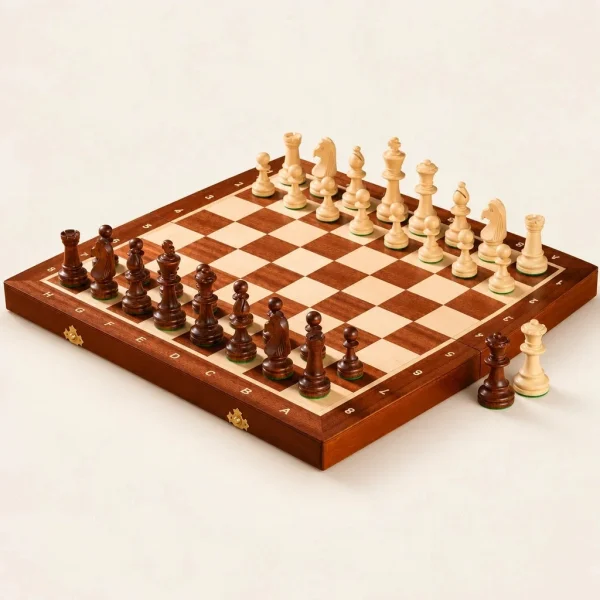
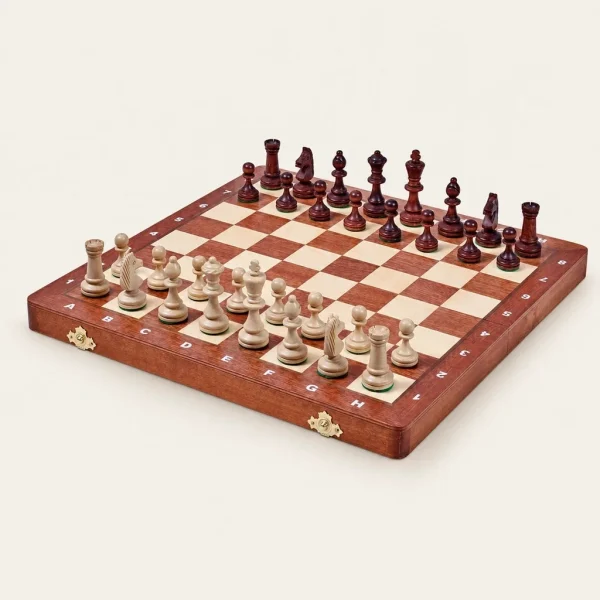
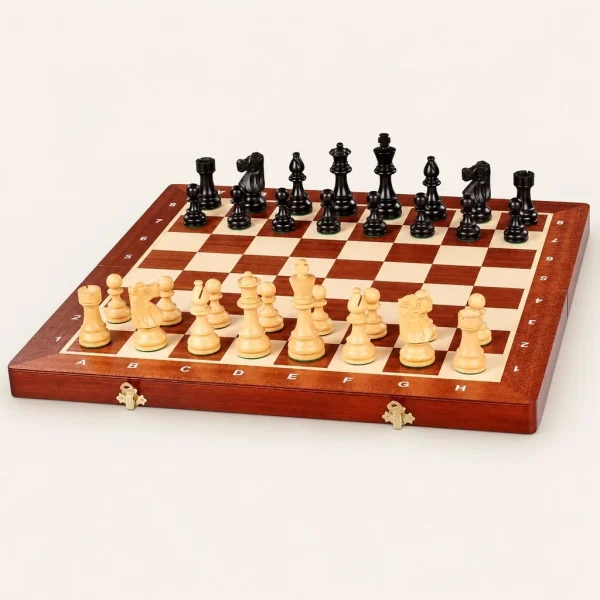
A tournament chess set is recognised by its legibility: a high-contrast board, stable pieces and classic proportions. This selection brings together Régence sets with weighted or boxwood pieces, a No. 4 board with coordinates and digital clocks for playing against the clock.
What to look for in a competition set
Competition rules, including those of FIDE, recommend classic Staunton-type pieces and a consistent relationship between the size of the king and the size of the squares. Without going into the official figures, keep these principles in mind:
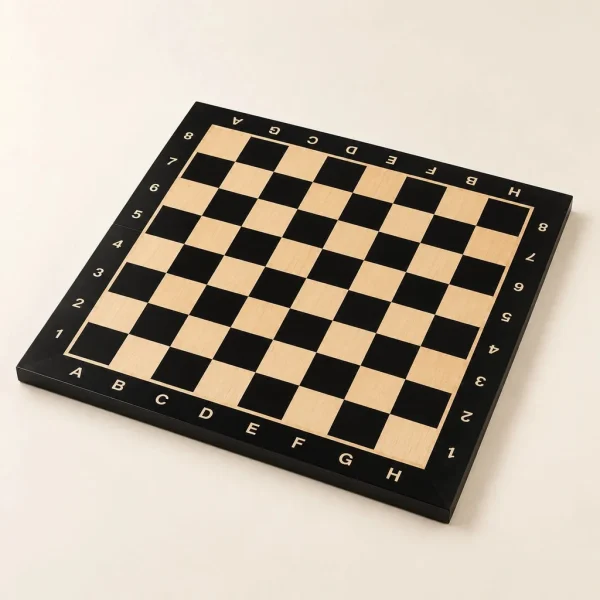
- Well-proportioned squares: the king must be able to move without crowding neighbouring pieces. In clubs you often see No. 5 boards with 50 mm squares, or No. 4 boards with 40 mm squares for smaller pieces.
- Weighted pieces: their heavier bases make them more stable during fast exchanges. Régence No. 4 combines weighted hornbeam pieces with extra queens.
- Extra queens: useful for promotions. Régence No. 5 has two extra, making 34 pieces.
- Coordinates: for recording and replaying moves. The No. 4 tournament board has them along the edge of its black and light board.
Staunton or Régence?
The Staunton design, which appeared in England in the 19th century, became the standard for competitions. The older Régence style takes its name from the Parisian café where players used to meet. Our Régence sets borrow the name; the boxwood version is distinguished by its ebonised dark side. For a weighted Staunton chess set, see Sénéchal among our wooden chess sets, and the No. 5 boards in our chess boards.
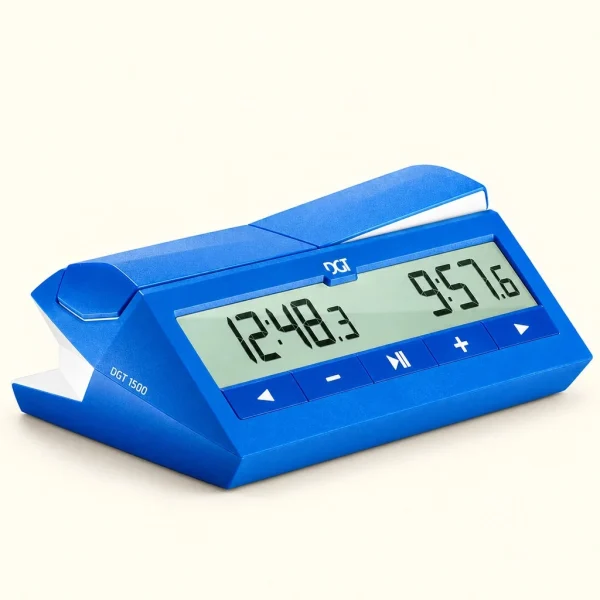
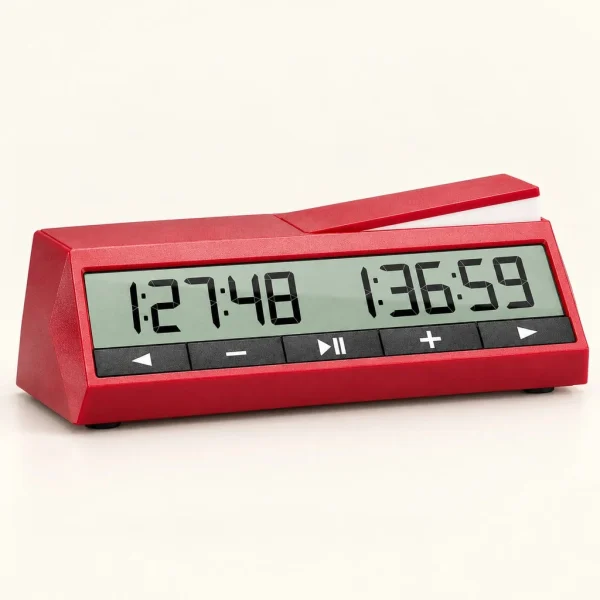
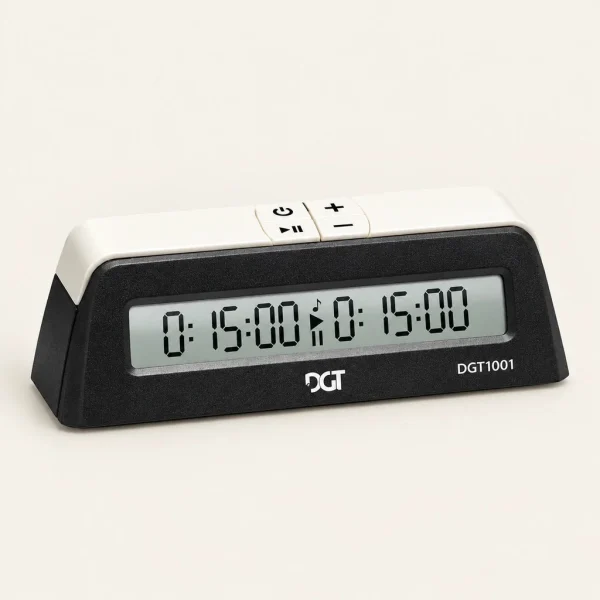
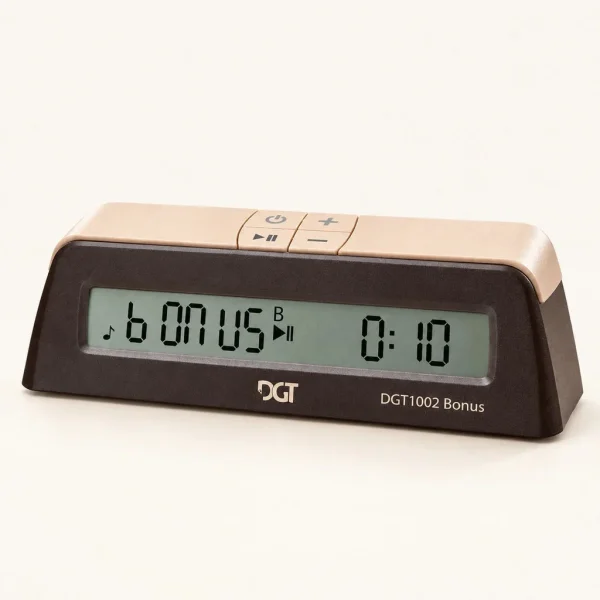
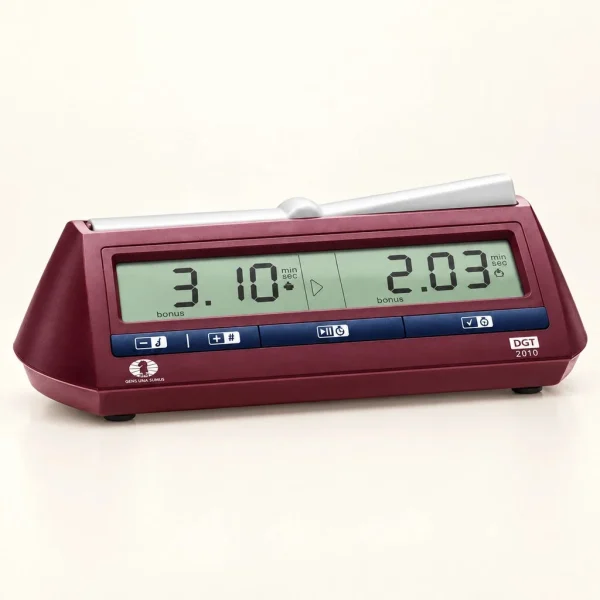
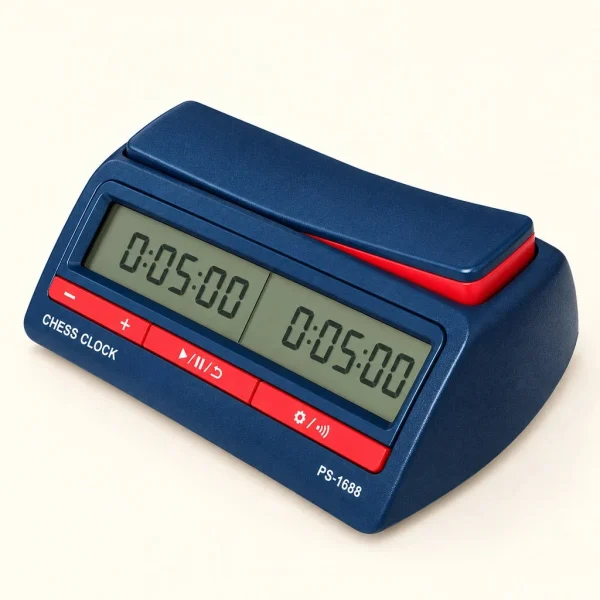
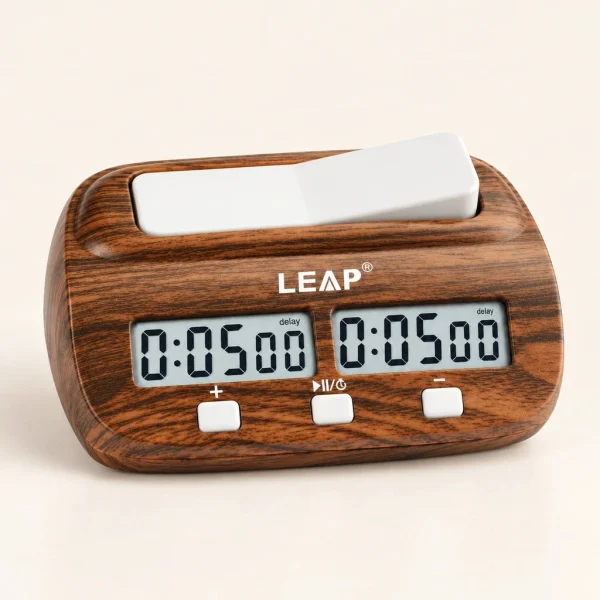
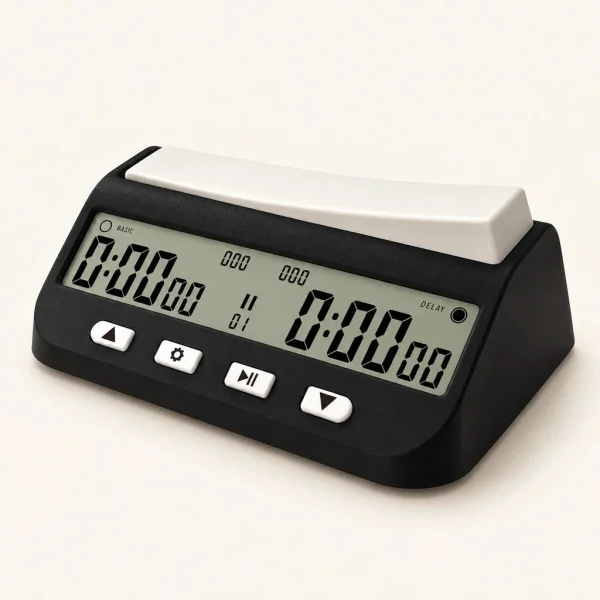
As soon as you play against the clock, a chess clock is essential. The DGT 2010 handles Fischer increment, Bronstein delay and byo-yomi; the whole range is in our chess clocks.
Frequently asked questions
Are these sets FIDE-approved?
We do not claim any approval. Compare the dimensions given on each product page with the rules of your competition.
Which clock for a club?
A model that handles increment and delay, such as the DGT 1500 or the DGT 2010, covers the most common time controls.
Are the tournament sets handmade?
Yes. The sets and the board in this selection are handmade in Poland by a family workshop of cabinetmakers. The clocks, of course, are electronic devices.